Utilities are betting capital dollars on execution.
Electric power utilities reached about $174 billion in capital expenditures by the end of 2024, with 42% allocated to transmission and distribution systems. That figure translates into a CapEx planning target in most boardrooms: a budget line, a rate case input, a multi-year pipeline to be managed. However, what it actually represents is a dependency, as almost none of that capital gets deployed by utility full-time employees. It gets deployed by contractors, whose readiness determines whether the number in the budget ultimately converts into reliable infrastructure.
Contractor readiness is typically delegated to procurement and field operations, where it can be tracked and measured. But when the capital at stake reaches into the billions (and the pool of qualified execution partners is reduced), contractor readiness is scrutinized as a capital allocation risk that warrants the same attention as interconnection queues or rate case timing.
The Workforce Gap Shows Up During Execution
More than half of the current utility workforce has less than 10 years of experience. From a leadership standpoint, that fact is a high risk to sustainable technical readiness. A contractor bidding on a multi-year framework agreement with a workforce this inexperienced isn't automatically a bad partner, but the utility awarding that work needs to feel confident in how that contractor builds field expertise into crews who haven't had time to accumulate through experience. That answer belongs in the qualification process, and assesses the training and knowledge transfer a contract partner imparts on its team.
Readiness Has to Be Assessed Years Before the Work Starts
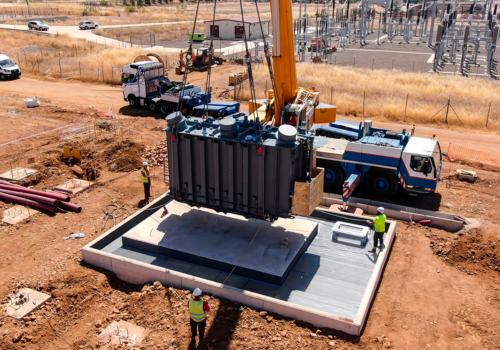
Materials lead times have become a critical-path item that dictates when contractors need to be ready. For example, Wood Mackenzie found that power transformers are averaging 128 weeks of lead time, and step-up generators were running close to 144 weeks as of 2025. A contractor's procurement discipline today determines whether a project awarded next year has materials on-site when the crew is formed. Utilities that evaluate contractor readiness on safety records and past performance alone miss forecasting maturity and existing supplier relationships. In doing so, forecasting and the supply chain are now direct risks to project timing and had been invisible until the schedule slips.
Reliability Outcomes Are Traceable to the Contractor Who Built the Asset
Another risk to execution gained through lacking supplier readiness is distribution reliability, which is assessed through metrics like System Average Interruption Duration Index (SAIDI). SAIDI approximates the total duration of power interruptions for an average customer over time (usually one year). This index now exceeds 335 minutes a year in the US. Construction quality on the assets driving that number traces back to specific contractors and crews. A utility that awards a multi-year distribution program without a clear view into a contractor's readiness to execute is accepting reliability risk on assets that will be in service for decades beyond the length of the contract.
Treat Readiness Like a Capital Decision
It is important to highlight that improving contractor readiness does not have to mean slower partner selection. The thesis is that contractor qualification processes need to be appropriate for the scale of the capital being committed. Safety performance, workforce experience depth, procurement forecasting capability, and asset documentation standards are readiness indicators that predict whether a program executes on schedule and holds up over the life of the asset. The utilities that build contractor readiness evaluation into their capital planning process and their bid processes are best positioned to convert that $174 billion into lasting, dependable infrastructure.
For fresh insights into the utility industry, along with trends, challenges, and shifts shaping utility work, subscribe to the Utility Expo Newsletter.