
The supply chain challenges of COVID showed industrial businesses the risk in overly lean supply strategies. It is the way to minimize inventory carrying costs, but it reduces resilience in the event of supply disruptions. Expanding supply options became more critical to keep production moving.
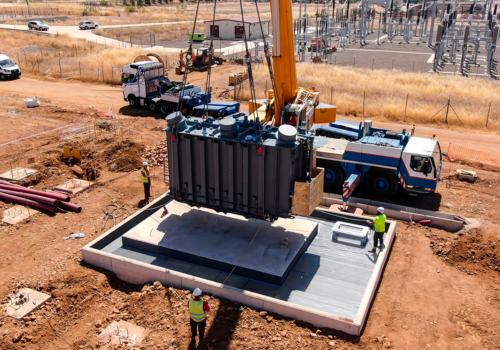
In modern utilities procurement, domestic manufacturers currently produce only 20% of US large power transformer demand and roughly half of distribution transformer demand, according to RMI's analysis of the grid equipment supply chain. That concentration carries the same trade-off as an overly lean inventory strategy: efficient until it isn't, and the tariff structure governing those imports has already changed twice in 2026.
Against that backdrop, utility leadership is treating supplier diversification as essential reliability planning through dual-sourcing strategies and multi-award contracts in 2026, according to Deloitte. For utility construction companies managing procurement to support their clients’ production rates, that shift changes what a defensible sourcing strategy looks like.
Why the Familiar Vendor List Stops Working
A materials shortage exposes a habit that a stable market let procurement teams rely on often: defaulting to the same one or two qualified vendors because that's who's already on the approved list. Vendor setup carries a real overhead and timing cost, and conducting new quality audits only adds to that friction. The real constraint may sit inside utility and EPC procurement structures themselves, where layers of qualification rules and vendor hierarchies can keep viable alternative suppliers from ever reaching the people authorized to approve them.
Tariff volatility compounds that exposure. Section 232 duties on steel, aluminum, and copper now apply to the full customs value of covered products, not just the metal content, and transformers, switchgear, and other metal-intensive grid equipment carry a temporary 15% tariff rate that is currently set to expire at the end of 2027. A procurement function sourced from a single country of origin, or a single supplier's smelt-and-cast footprint, is carrying tariff exposure it may not have priced into a bid.
What Real Diversification Requires
Multi-sourcing only works if the additional suppliers represent genuinely different capacity, instead of using the same set of raw material suppliers or primary distributors. Having discrete supply options means qualifying vendors across different production lines, different countries of origin, and different manufacturing tiers entirely (as lead times permit).
Multi-sourcing does add a lead time of its own. The Department of Energy committed $375 million in January 2026 toward expanding the domestic supply chain for transformers and other grid components, a signal that new domestic capacity is coming in the long or intermediate term. It will take time for that expansion to work its way into the market, so multi-sourcing is an effective short-term strategy to develop supply chain resiliency before the new supply is online.
One way to facilitate multi-sourcing is to standardize and consolidate specifications, making it easier for a new supply alternative to ramp up. This approach expands the vendor pool and enables a wider supply base to bid on the same scope efficiently.
Multi-Sourcing Is Worth the Investment
The utilities and contractors who realize that single-sourcing is a real schedule risk are poised to deliver when a competitor is still waiting on a vendor that has run out of capacity. While multi-sourcing may take additional qualification work upfront, it reduces the overall volatility of a materials market that shows little sign of settling down.
For fresh insights into the utility industry, along with trends, challenges, and shifts shaping utility work, subscribe to the Utility Expo Newsletter.
Read Next
6 Crucial Tips for Prepping Your Utility Equipment for Winter | The Utility Expo
The Future of Energy Storage & Microgrids | The Utility Expo